

pattern glass texture
Understanding the Pricing of 3-Inch Gate Valves When it comes to industrial applications, valves play a crucial role in controlling the flow of liquids and gases. Among the various types of valves, gate valves are widely utilized due to their efficiency and effectiveness in on/off service. As industries continue to grow and evolve, understanding the pricing dynamics of these valves, particularly the 3-inch gate valve, becomes essential for manufacturers, engineers, and purchasing managers. What is a 3-Inch Gate Valve? A 3-inch gate valve is a type of valve that uses a circular gate to control the flow of fluid. When the valve is fully opened, the gate is lifted from the flow path, allowing for smooth passage. Conversely, when it is fully closed, the gate fits snugly against the body of the valve, preventing flow. This type of valve is favored for its low fluid resistance and ability to provide a tight seal. Typically used in various sectors such as water treatment, oil and gas, and chemical processing, the 3-inch gate valve is a standard size that meets many operational requirements. Factors Influencing the Price of 3-Inch Gate Valves The price of a 3-inch gate valve can vary significantly based on several factors 1. Material Composition The materials used in the construction of the valve are among the most significant determinants of price. Common materials include cast iron, stainless steel, and brass. While cast iron valves tend to be more economical, stainless steel options are preferred for corrosive environments, thus costing more. Additionally, specialized alloys can further increase the price. 2. Design and Manufacturer Different manufacturers have varying price points based on their brand reputation, manufacturing processes, and quality assurance measures. High-end brands may employ advanced technologies and superior craftsmanship, resulting in a higher cost. 3 inch gate valve price 3. Standard Compliance Valves must often comply with industry standards and regulations, which can influence their pricing. For instance, valves adhering to ANSI (American National Standards Institute) or API (American Petroleum Institute) standards may incur additional costs due to more stringent manufacturing processes. 4. Quantity and Purchase Agreements Bulk purchases typically yield discounts. Companies looking to procure multiple units may negotiate prices with suppliers, potentially leading to more favorable terms. Conversely, single-unit purchases will usually reflect retail pricing. 5. Market Demand and Supply Like any other commodity, the demand and supply dynamics play a crucial role in determining the price. A sudden increase in demand due to industrial growth or an unexpected shortage caused by supply chain issues can lead to price fluctuations. 6. Distributor Mark-up The price of 3-inch gate valves can also be influenced by the distribution network. Distributors may mark up prices based on their operational costs, profit margins, and market positioning. Average Pricing On average, the price range for a standard 3-inch gate valve can be anywhere between $50 to $500. Basic models made of cast iron might cost around $50-$100, while more sophisticated valves, such as those made of stainless steel or equipped with additional features like automated controls, could cost $200 or more. Conclusion When sourcing a 3-inch gate valve, it is essential to consider the various factors influencing its price. A thorough understanding of the application requirements, material selections, and potential suppliers will enable buyers to make informed decisions. Whether you are involved in procurement for a large-scale industrial plant or a smaller operation, ensuring that you receive a quality product at a fair price will optimize operational efficiency and reduce long-term costs. As industries continue to evolve, staying abreast of market trends and pricing will be crucial for any stakeholder involved in valve procurement.
about
pattern glass texture
In the realm of manufacturing and engineering, the significance of cast iron T slot plates cannot be overstated. These robust and versatile surfaces are essential for precision work, particularly in fields such as robotics and automation testing. The unique properties of cast iron, including its excellent rigidity and stability, make it an ideal material for creating a reliable testing environment. When engineers and technicians require a flat, stable surface for mounting equipment, conducting measurements, or assembling components, iron surface plates serve as the backbone of their operations. The use of cast iron T slot plates ensures that the equipment remains firmly in place, allowing for accurate results and reducing the risk of errors that could arise from a less stable surface. Moreover, the design of cast iron T slot plates features integrated slots that facilitate the easy attachment of various tools and fixtures. This adaptability is crucial in robotics, where different configurations may be needed for various tests or setups. The ability to customize the arrangement of equipment on the plate enhances operational efficiency and workflow. As the demand for automation and robotics continues to grow, the reliance on high-quality metal fabrication tables becomes increasingly important. These tables not only support the physical components but also contribute to the overall quality of the testing process. In addition to their practical applications, cast iron T slot plates are also known for their longevity and durability. Unlike other materials that may warp or degrade over time, cast iron maintains its structural integrity under heavy loads and rigorous use. This characteristic is particularly advantageous in environments where precision is paramount, such as laboratories and manufacturing facilities. As industries evolve and the need for automation increases, the role of iron surface plates in ensuring consistent quality and performance will only become more critical. Utilizing Iron Surface Plates in Robotics Testing The integration of iron surface plates in robotics testing offers numerous advantages that enhance the overall effectiveness of the testing process. When conducting tests on robotic systems, it is essential to have a stable and flat surface to ensure accurate measurements and reliable performance evaluations. Cast iron T slot plates provide this stability, allowing engineers to focus on the intricate details of their robotic designs without the distraction of a shifting or unstable platform. In robotics, precision is key. Even the slightest deviation in measurements can lead to significant issues in performance. By utilizing iron surface plates , engineers can conduct tests with confidence, knowing that their equipment is securely anchored. This is especially crucial during dynamic testing scenarios where robots are subjected to various movements and forces. The ability to maintain a consistent testing environment is vital for obtaining reliable data, which in turn informs design improvements and optimizations. Furthermore, the versatility of metal fabrication tables allows for easy modifications and adjustments during testing. Engineers can quickly attach different fixtures or sensors to the cast iron T slot plates , adapting the setup to meet specific testing requirements. This flexibility not only saves time but also enhances the overall efficiency of the testing process. As robotics technology advances, the need for adaptable and reliable testing environments will continue to grow, making iron surface plates indispensable tools in the field. The Role of Metal Fab Tables in Automation Testing In the context of automation testing, metal fab tables play a crucial role in ensuring the precision and reliability of automated systems. These tables, often constructed from durable materials like steel, provide a solid foundation for testing various automation components. The integration of cast iron T slot plates into these tables further enhances their functionality, offering a stable surface for mounting sensors, actuators, and other essential equipment. Automation testing often involves the evaluation of complex systems that require precise alignment and positioning. By utilizing iron surface plates , engineers can ensure that all components are accurately positioned, minimizing the risk of errors during testing. The stability provided by cast iron T slot plates is particularly beneficial in scenarios where automated systems are subjected to vibrations or other external forces. This stability helps maintain the integrity of the testing process, allowing engineers to obtain accurate and repeatable results. Moreover, the adaptability of metal fab tables allows for easy reconfiguration as testing requirements change. Engineers can quickly modify the layout of their setups, accommodating new components or testing methodologies without significant downtime. This flexibility is essential in today’s fast-paced engineering environments, where rapid prototyping and testing are often necessary to keep up with technological advancements. As the automation industry continues to evolve, the reliance on high-quality iron surface plates and metal fabrication tables will only increase, underscoring their importance in modern engineering practices. Steel Fab Tables: A Complement to Cast Iron T Slot Plates While cast iron T slot plates are renowned for their stability and durability, steel fab tables offer complementary advantages that enhance the overall testing and fabrication processes. Steel tables are typically lighter and more portable than their cast iron counterparts, making them ideal for applications that require mobility or frequent reconfiguration. When paired with iron surface plates , these tables create a dynamic workspace that balances stability with flexibility. The combination of steel fab tables and cast iron T slot plates allows engineers to leverage the strengths of both materials. For instance, while the cast iron plates provide a solid foundation for precision work, the steel tables can be easily moved or adjusted to accommodate different testing scenarios. This adaptability is particularly valuable in environments where space is limited or where multiple projects are being conducted simultaneously. Additionally, steel fab tables often feature integrated storage solutions, enabling engineers to keep tools and equipment organized and within easy reach. This organizational aspect contributes to a more efficient workflow, allowing teams to focus on their tasks without the distraction of cluttered workspaces. As industries increasingly prioritize efficiency and productivity, the role of steel fab tables in conjunction with cast iron T slot plates will become even more significant. FAQs: Understanding Cast Iron T Slot Plates and Their Applications What are cast iron T slot plates used for? Cast iron T slot plates are primarily used as stable surfaces for mounting equipment, conducting measurements, and assembling components in various industries, including robotics and automation testing. How do iron surface plates contribute to precision work? Iron surface plates provide a flat and stable foundation that minimizes errors during measurements and testing, ensuring accurate results in precision engineering applications. Can metal fabrication tables be customized for specific projects? Yes, metal fabrication tables can be easily customized with different fixtures and attachments, allowing for flexibility in testing setups and accommodating various project requirements. What advantages do steel fab tables offer compared to cast iron plates? Steel fab tables are lighter and more portable than cast iron plates, making them ideal for applications requiring mobility and frequent reconfiguration while still providing a sturdy work surface. Are cast iron T slot plates durable? Yes, cast iron T slot plates are known for their durability and longevity, maintaining their structural integrity under heavy loads and rigorous use, making them ideal for industrial applications. Discover the precision and reliability of our cast iron T slot plates for your engineering needs. Visit our website to explore our products and place your order now. Elevate your testing processes with the best in the industry!
-

High quality industrial productsagement

High quality industrial products
View Details -

Meet the diverse needs of customers

Meet the diverse needs of customers
View Details -

Strict quality control

Strict quality control
View Details -

Top raw materials

Top raw materials
View Details -

Trusted supplier

Trusted supplier
View Details
Our application


news and information
valve gate valve
Understanding Valve Gate Valves An Essential Component in Modern Industry In various industrial appl
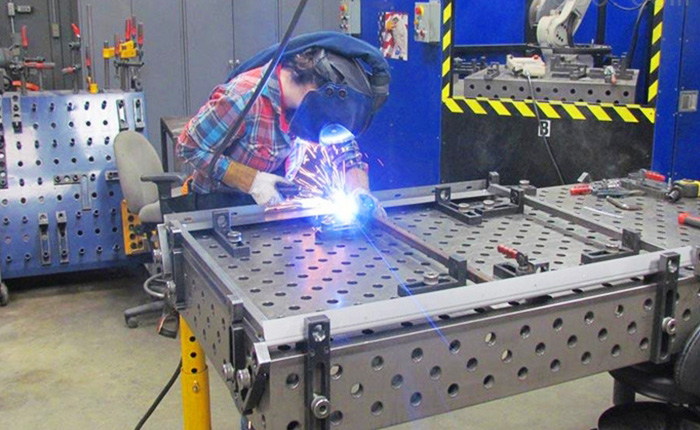
Welding Table Manufacturing Solutions from China for Reliable Performance and Quality
Welding Tables in China A Comprehensive Overview Welding tables are essential tools in the fabricati
Wood Fence Post Cap
Wood Fence Post Caps Enhancing the Beauty and Functionality of Your Outdoor Space A wood fence post
 English